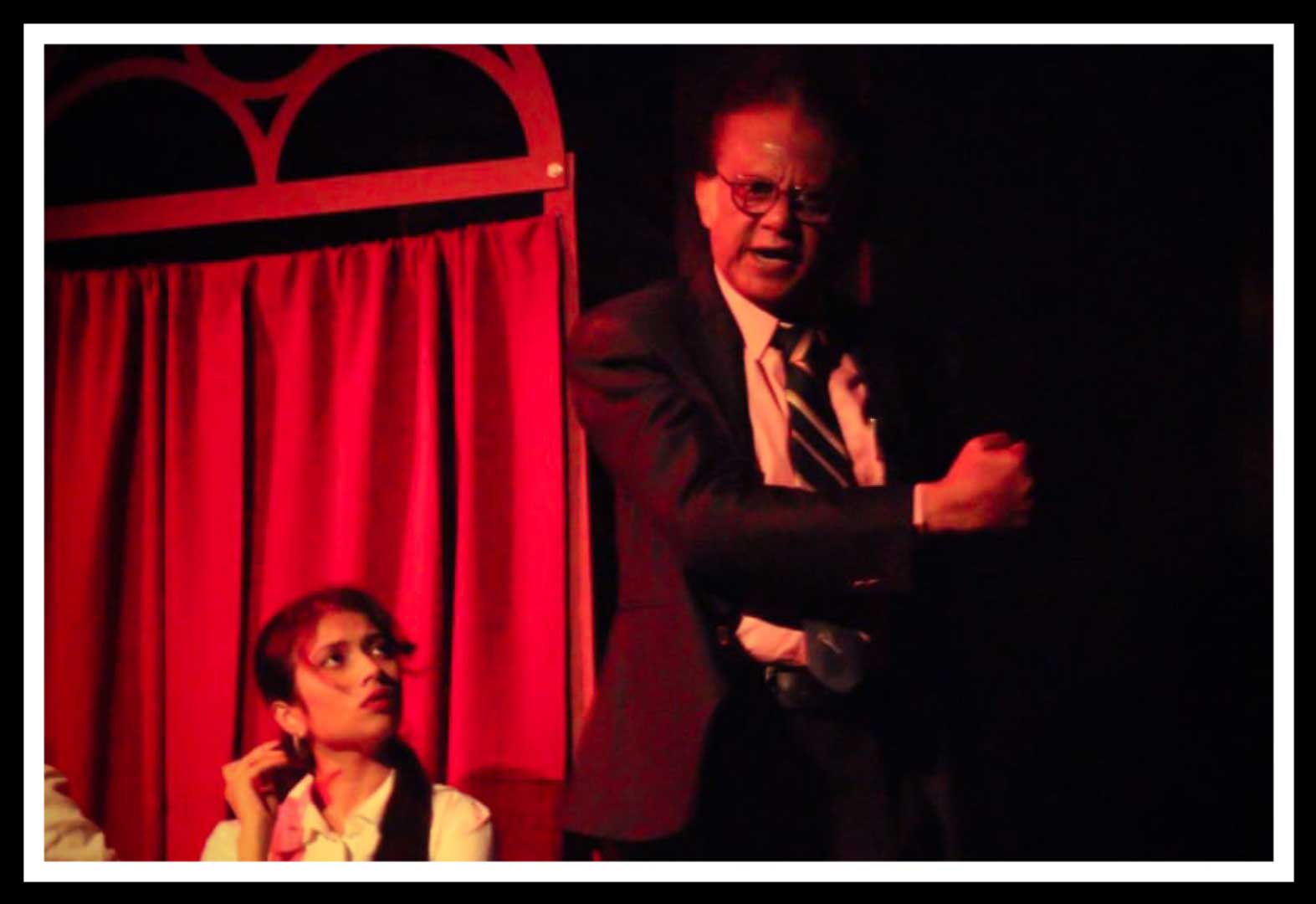
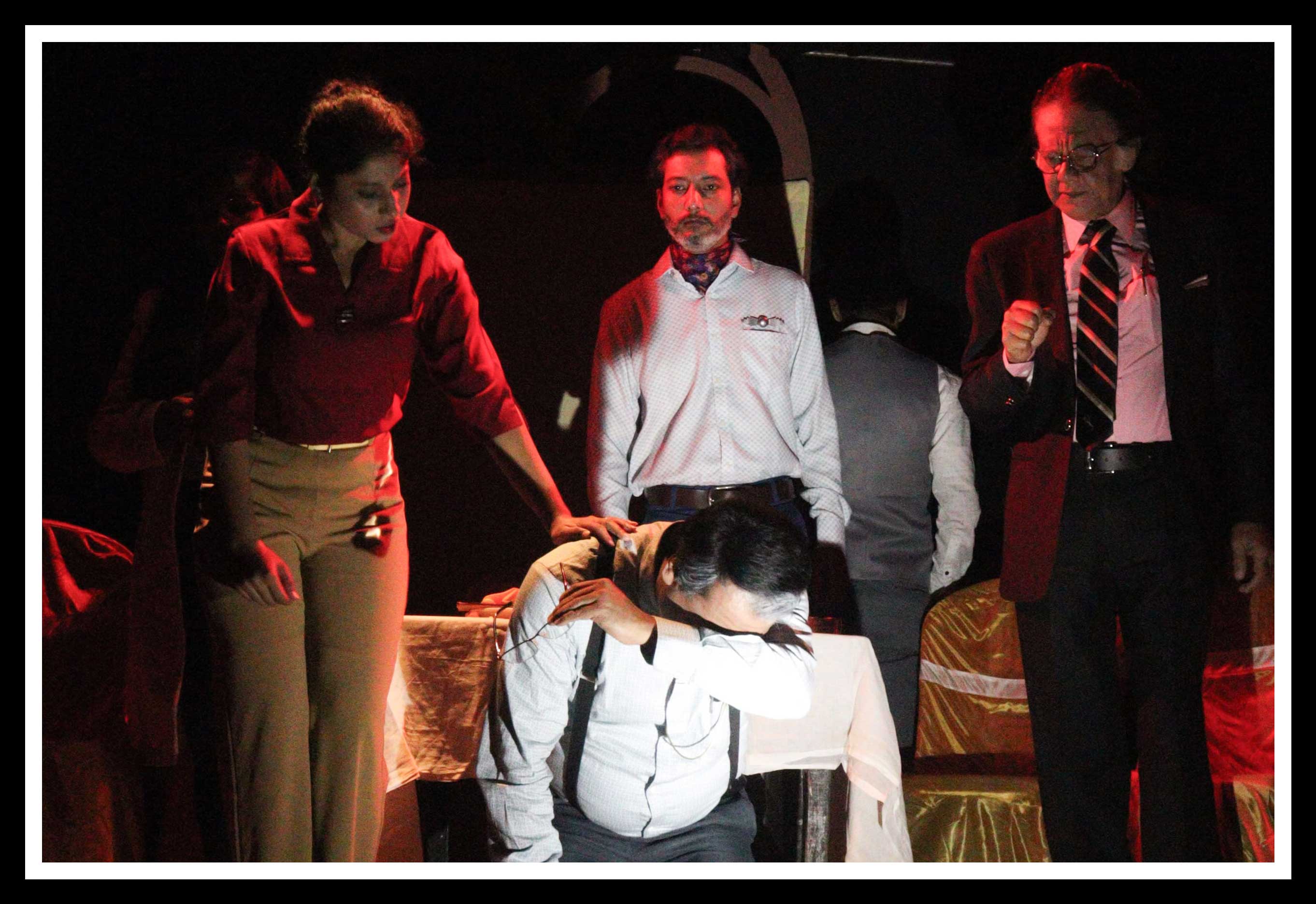
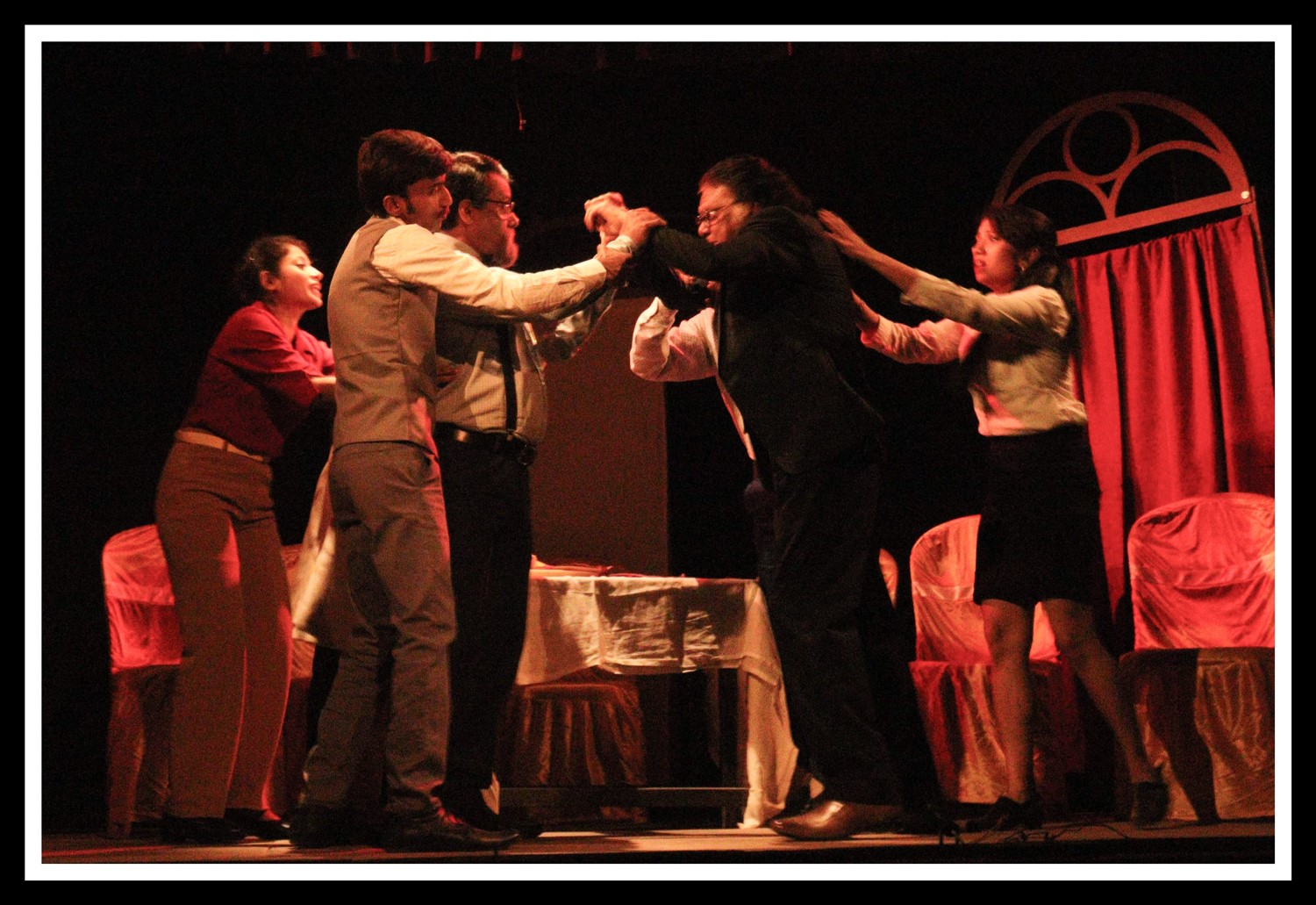
Mrityu Othoba Mukti (2025)
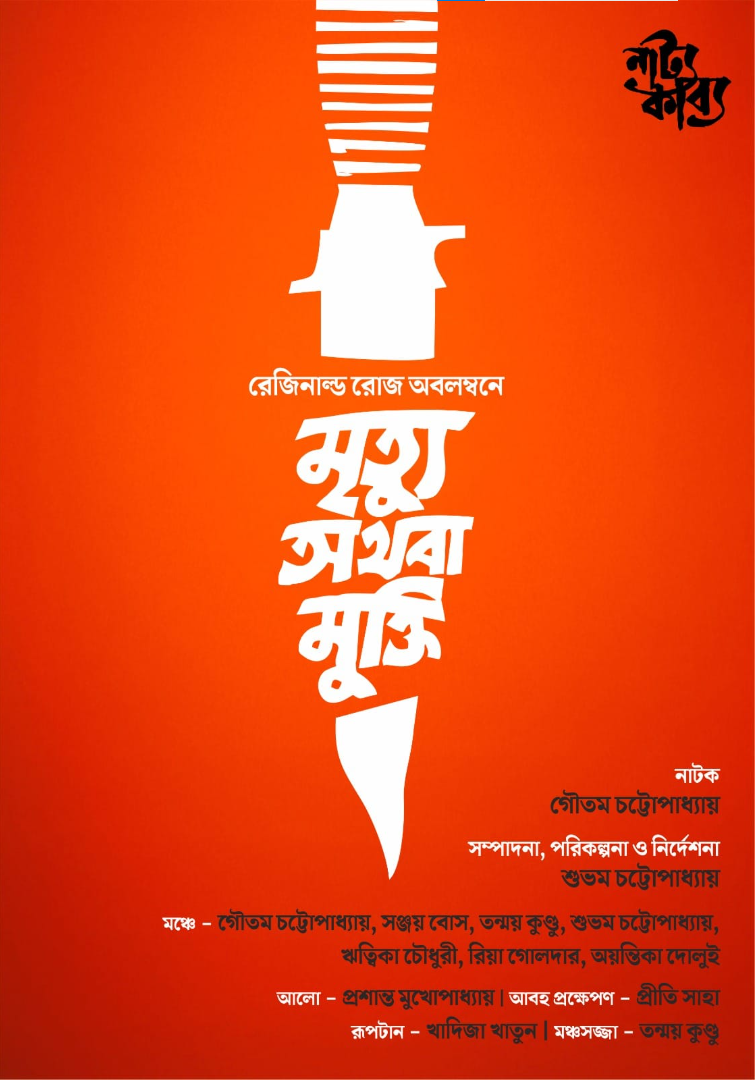
A man has been murdered. Stabbed to death. In the dead of night. The prime suspect? His own son!
There are two witnesses — One, a middle-aged woman who lives next door to the victim. The other, an old man who lives on the second floor of the house where the murder took place.
The woman claims she clearly saw the son stab his father and flee the scene. The old man says he heard the father and son arguing, then a stabbing sound, followed by the body falling to the floor. He was the one who discovered the body — after the murderer had fled.
There is more evidence — and all of it points against the accused. Everything seems flawless at first glance. The accused, however, insists he is completely innocent.
The trial is over.
All facts — for and against the accused — have been presented. Now, only the verdict remains.
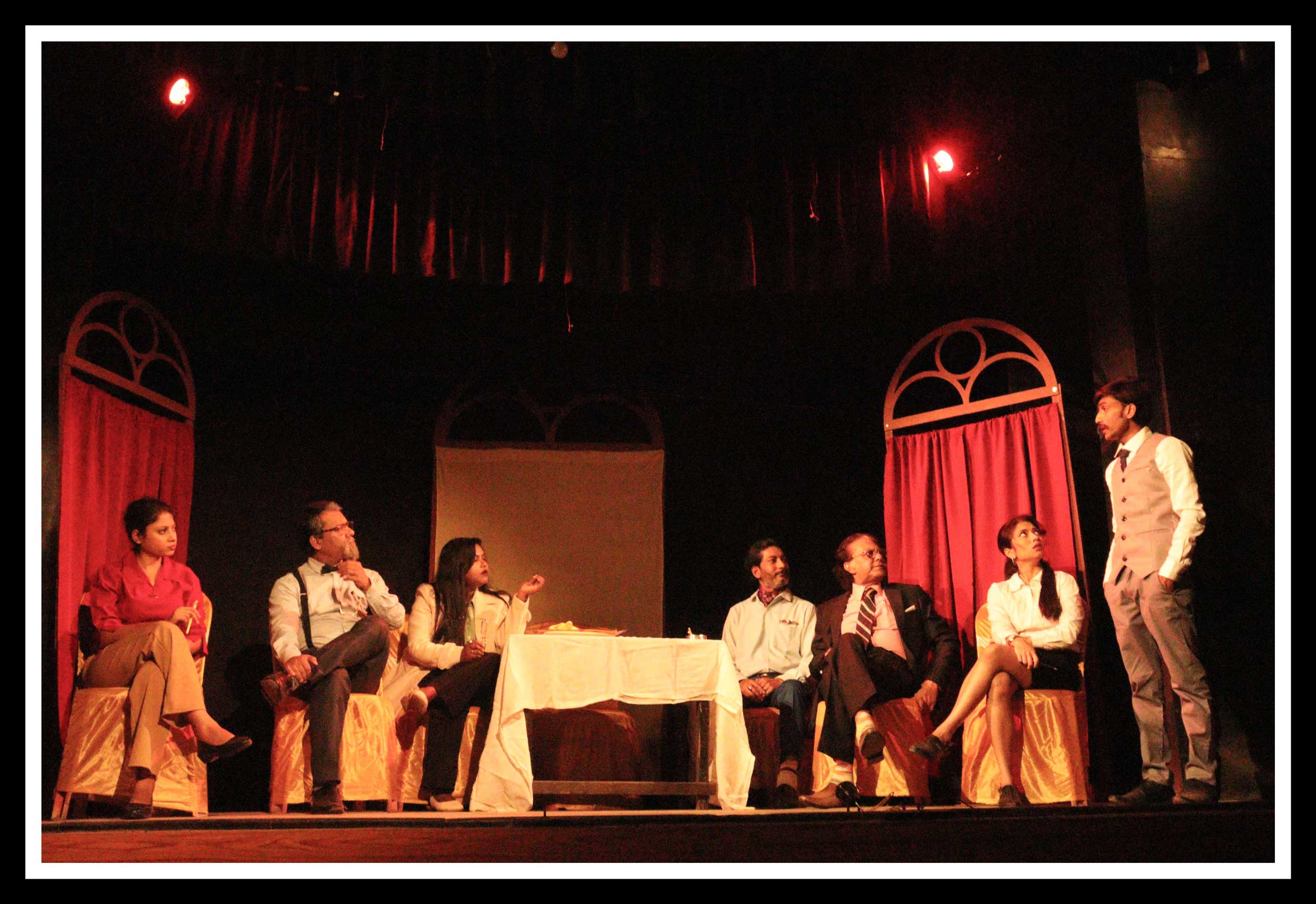
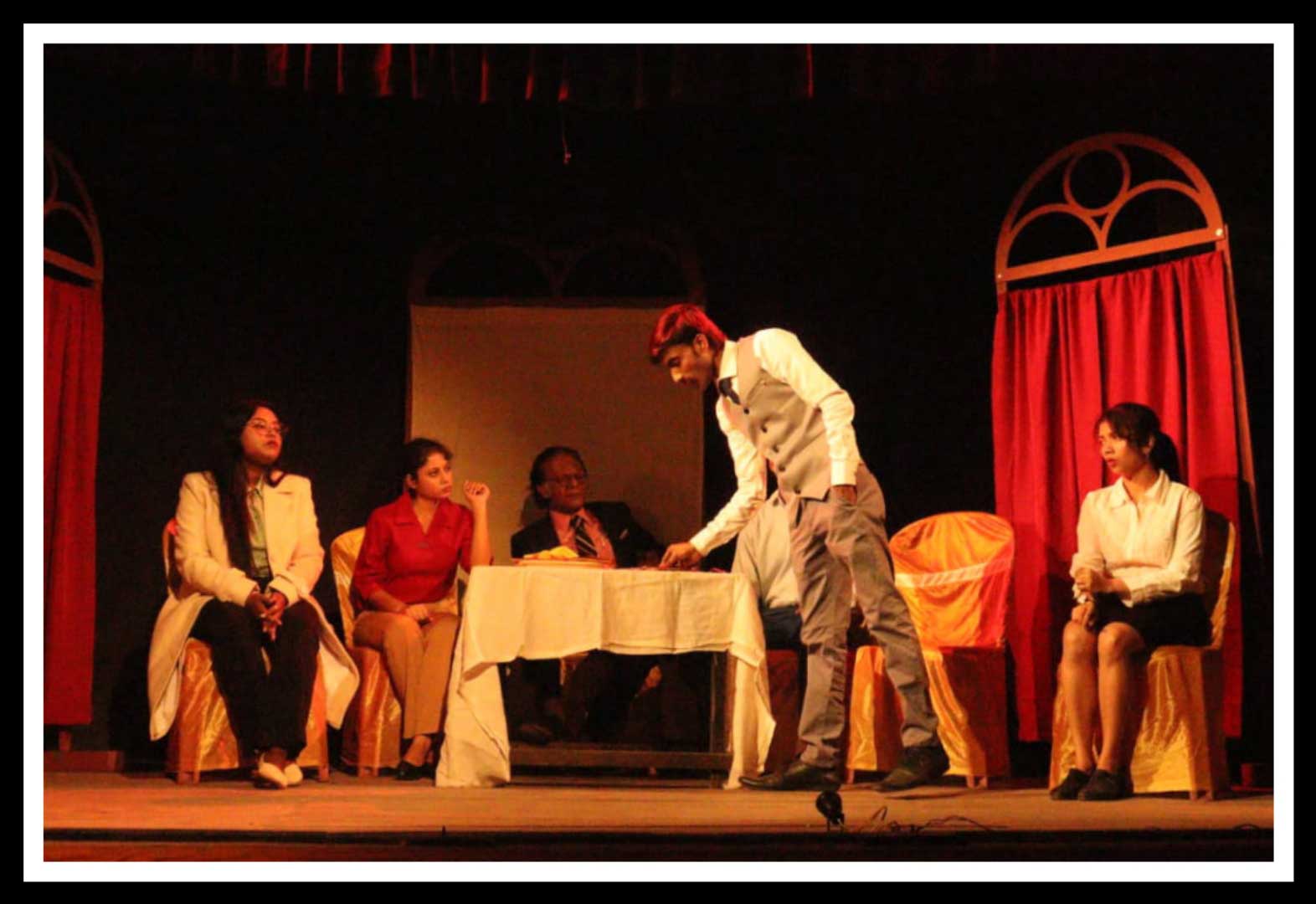
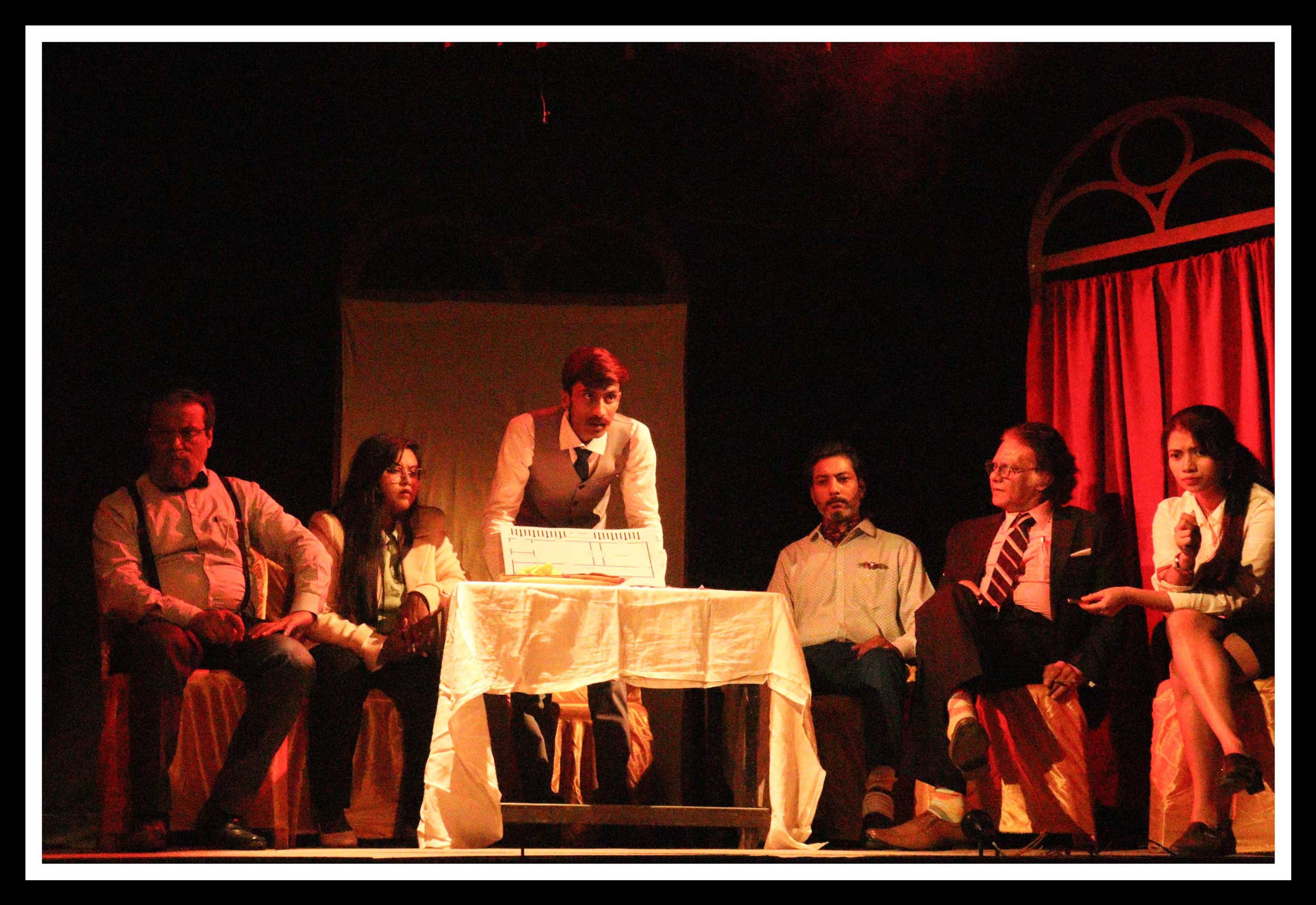
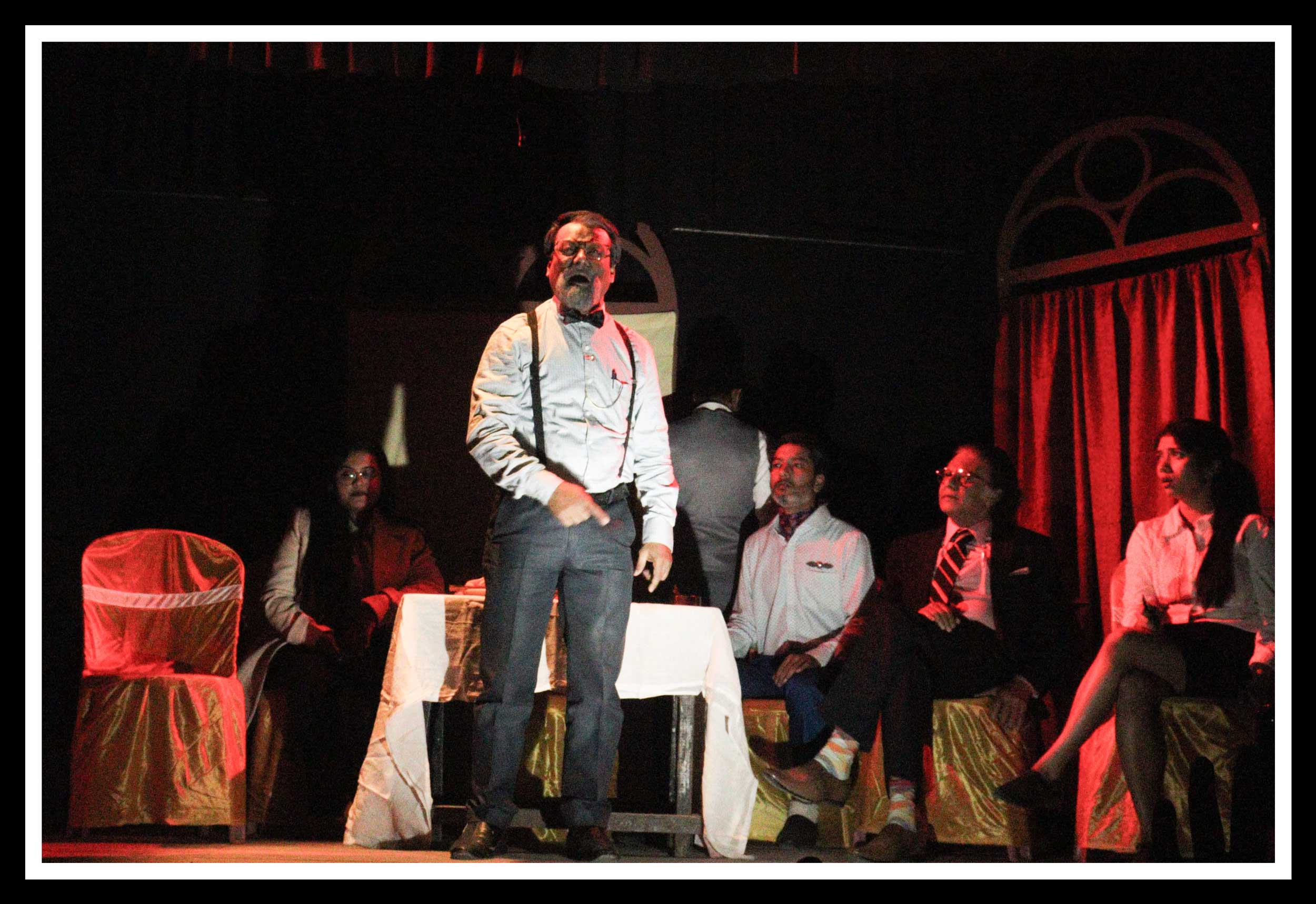
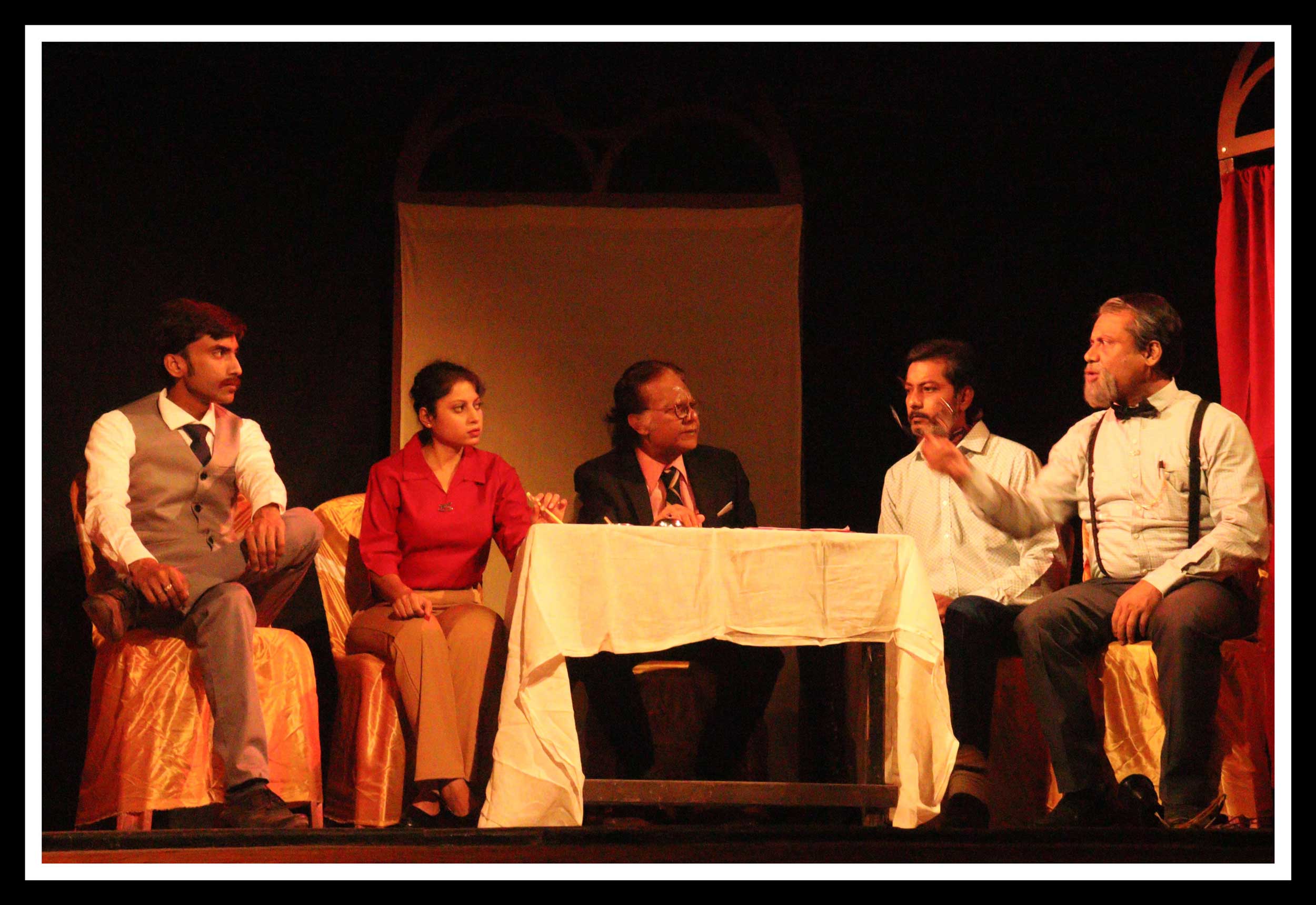
The fate of the accused lies in the hands of seven jurors, each from different parts of the country. They’ve heard the case. Now, behind closed doors, they must decide: Is the accused guilty? Or innocent?
Inspired by the acclaimed film 12 Angry Men, This play unfolds through the intense interactions and deliberations of these seven individuals. Each juror brings a different worldview — shaped by unique backgrounds and beliefs. Some are guided by sharp logic and fairness, Others by prejudice, ego, or emotion.
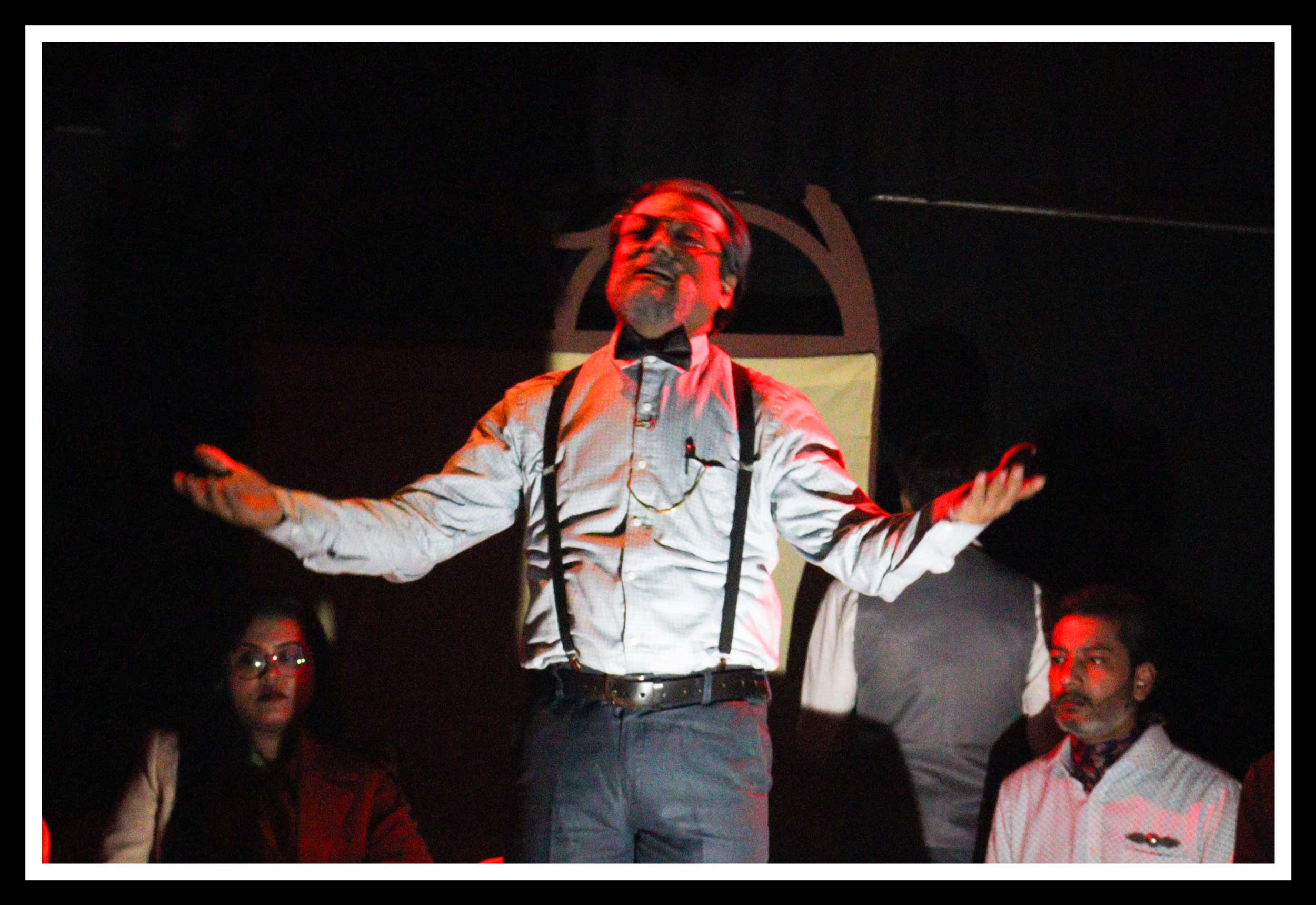
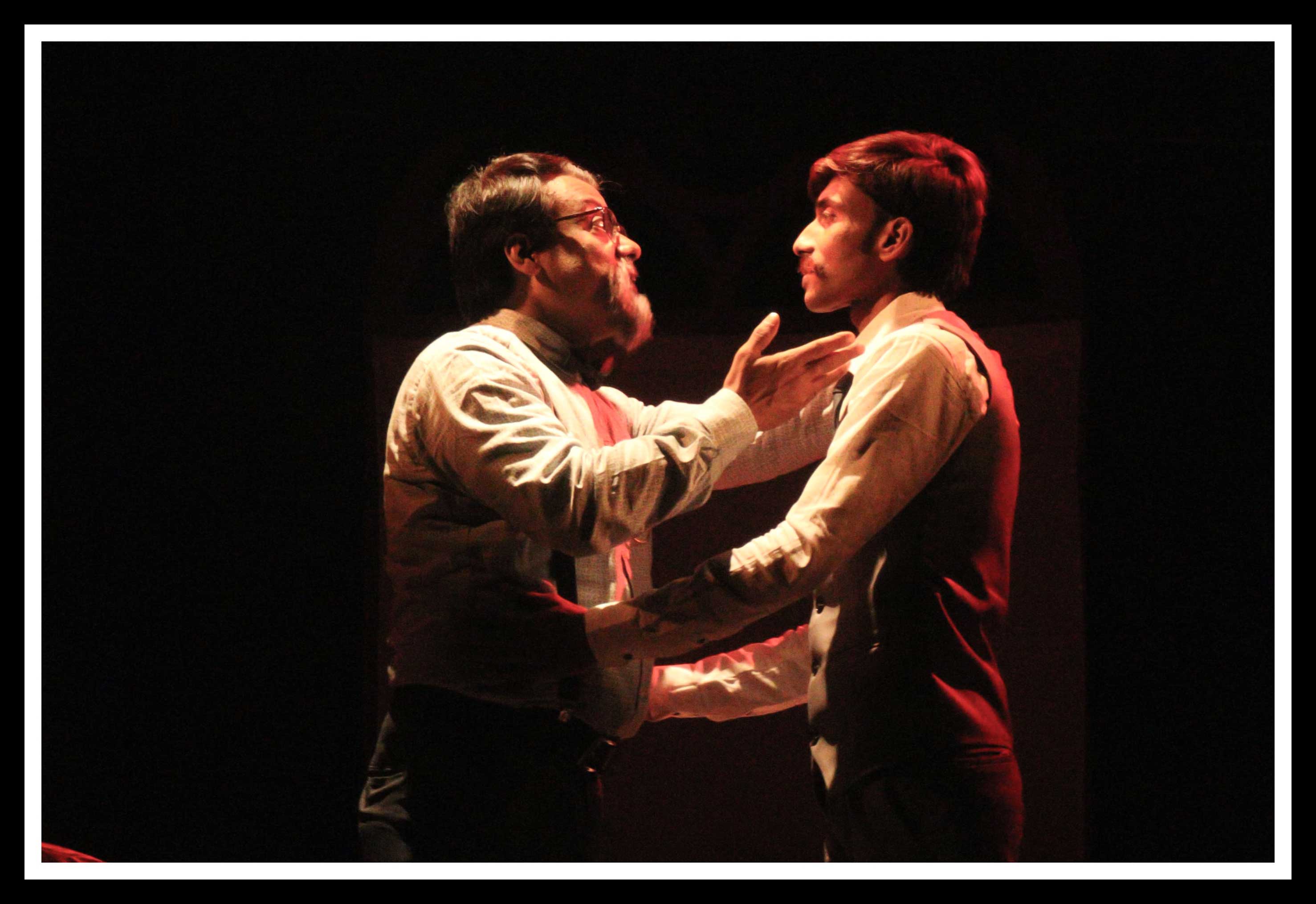
We witness the pain of a father deprived of love, The spark of wisdom in an elderly mind, The sudden rage of one, And the calm, reasoned voice of another.
This play makes us reflect. It urges us to look inward, to evaluate ourselves. These flaws and virtues are not foreign — they are ours. Have we truly embraced the values of humanity? Or are we merely waving its flag in vain?
Cast And Crew
Written by : Gautam ChattopadhyayConcept & Direction by : Subham Chatterjee
On Stage : Amitava Banerjee, Tanmay Kundu, Sumit Roy Chowdhury, Arun Mullik, Sounak Dey, Subham Chatterjee, Surajit Mandal, Rhitwika Chowdhury, Priti Saha, Riya Goldar, Soumyajit Das
Light : Prasanta Mukherjee
Make-up : Samir Ghosh
Music: Ayantika Dolui
Stage Creation : Tanmay Kundu
Gallary